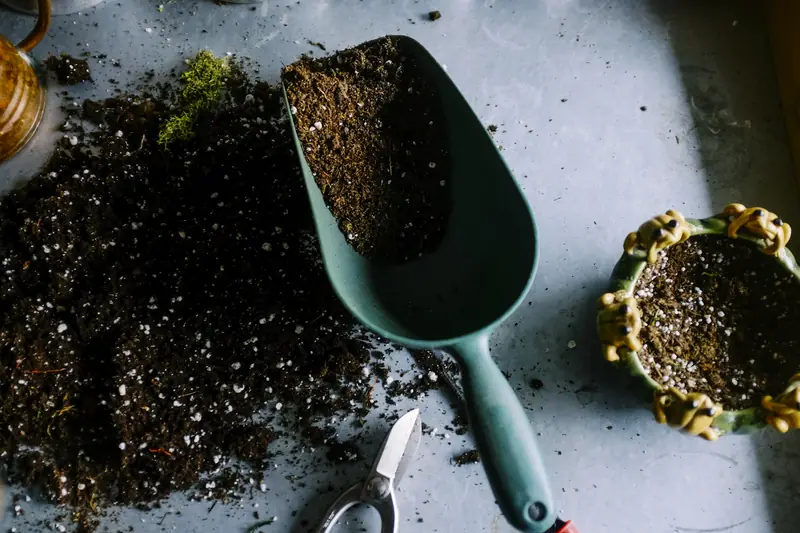
A layer of mulch over your garden beds is one of the cheapest ways to save water and cut down on weeding, especially through a hot, dry Highveld spring.
What mulch does
- Keeps moisture in the soil, so you water less often.
- Smothers weeds before they get started.
- Keeps roots cooler in summer and protects them from frost in winter.
- Feeds the soil as organic mulches break down.
Common mulches
| Mulch | Good for | Notes |
|---|---|---|
| Pine bark (nuggets or chips) | Shrub beds, around trees | Long-lasting and neat; slightly acidic as it breaks down |
| Wood chips | Large beds, pathways | Cheap, especially from tree fellers; let fresh chips age before use around young plants |
| Compost | Vegetable and flower beds | Feeds the soil fast, but breaks down quickly and needs topping up |
| Straw or dry grass clippings | Vegetable gardens | Use thin layers of clippings so they don't mat and smell; avoid clippings treated with weedkiller |
| Pebbles or gravel | Succulent and water-wise beds | Doesn't feed the soil; good with drought-tolerant plants |
How to mulch
- Weed the bed first and water it well.
- Spread mulch 5 to 8 cm thick over the soil.
- Keep mulch a hand's width away from stems and tree trunks. Mulch piled against them can cause rot.
- Top up once or twice a year, usually in spring before the heat, and again in autumn if needed.
Common mistakes
- Too thin: weeds come straight through.
- Too thick or piled against plants: rot and pests.
- Fresh wood chips mixed into the soil: they can draw nitrogen from the soil while they break down. Leave them on top.
Where to get it
Garden centres sell bagged and bulk bark and compost. Tree fellers often have wood chips after jobs. Ask a local tree felling business. Many garden services will mulch beds as an extra. See what a garden service includes.
More water-saving ideas: water-wise gardening in Benoni and garden irrigation.